
Ultimate Foundation Repair Products To Address Structural Concerns
Get insights into top products that provide solutions for a variety of foundation issues and ensure stability.
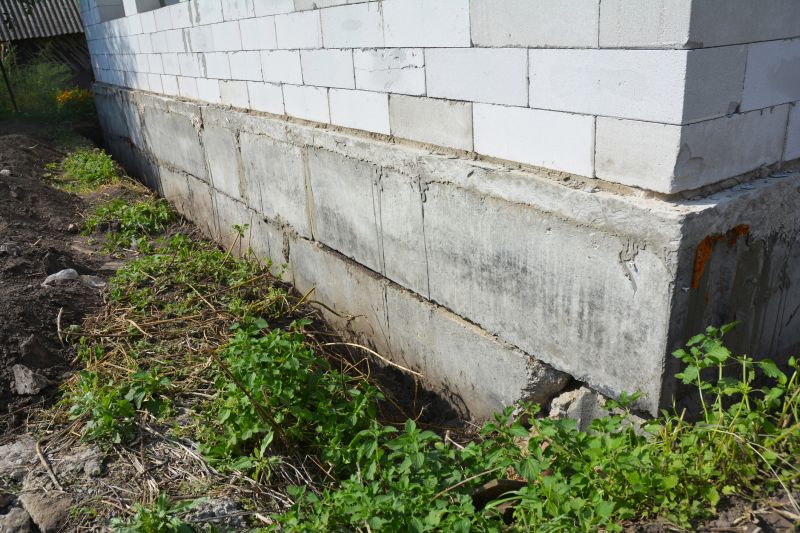 Foundation repair products are essential tools and materials used to address issues related to uneven or compromised foundations in residential and commercial structures. These products are designed to stabilize, lift, and reinforce foundations to prevent further damage and ensure structural integrity. In Sheboygan, WI, where seasonal changes can impact soil stability, choosing the right foundation repair solutions is crucial for long-term safety.
Top Overall Option
Hydraulic Pier System
Hydraulic pier systems are versatile and adaptable solutions for foundation stabilization. They work by lifting and supporting the foundation through hydraulic jacks, which can be precisely adjusted to restore levelness. These systems are suitable for a variety of foundation types and are often used in both residential and commercial repairs. Proper installation by experienced professionals ensures effective support and long-term stability.
Types of Products For Foundation Repairs
Helical Piers
Helical piers are screw-like foundation supports driven into the ground to stabilize or lift foundations, especially effective in unstable soil conditions.
Push Piers
Push piers are hydraulically driven supports that extend beneath the foundation to provide stabilization and lift, suitable for deep-set foundations.
Mudjacking Materials
Mudjacking involves injecting a slurry mixture beneath a settled slab or foundation to lift and level it without extensive excavation.
Epoxy Injection Kits
Epoxy injections are used to seal cracks and restore structural integrity by bonding cracked concrete sections.
Underpinning Systems
Underpinning involves strengthening and stabilizing existing foundations, often using various support methods including piles and piers.
Concrete Lifting Foam
Polyurethane foam is injected beneath slabs to lift and stabilize concrete surfaces with minimal disturbance.
Steel Push Piles
Steel push piles are driven into the ground to support heavy loads and stabilize foundations in challenging soil conditions.
Grout and Sealants
Specialized grouts and sealants are used to fill cracks and voids, preventing water intrusion and further damage.
Soil Stabilization Products
Products designed to improve soil consistency and support around the foundation, reducing settlement issues.
Foundation Braces and Supports
Braces and supports are installed to reinforce weak areas and prevent further shifting or settling.
Drainage and Moisture Control Systems
Effective drainage solutions help manage soil moisture levels, reducing pressure on the foundation.
Vapor Barriers
Vapor barriers are installed to control moisture migration, protecting the foundation from water-related damage.
Anchor Bolts and Plates
Anchors are used to secure structures to stable soil or bedrock, providing additional support.
Soil Piers
Soil piers are driven into the ground to enhance load-bearing capacity and stabilize foundations.
Crack Repair Epoxy
Epoxy products designed specifically for filling and sealing foundation cracks to restore strength.
Popular Choices
Hydraulic piers are widely used for foundation stabilization due to their adjustable support capabilities.
Polyurethane foam is a popular choice for lifting slabs with minimal disruption and quick application.
Epoxy crack injections are commonly used for sealing cracks and restoring structural integrity.
Push piers are favored for their ability to support and lift foundations in various soil conditions.
Mudjacking remains a common method for leveling uneven concrete slabs efficiently.
Steel push piles are popular for supporting heavy loads in challenging environments.
Effective drainage solutions are frequently installed to prevent water pressure from impacting foundations.
Soil stabilization products are trending for their role in improving soil support around foundations.
Braces and supports are commonly used to reinforce weak foundation areas.
Vapor barriers are often installed to protect foundations from moisture-related issues.
Sealants for cracks are frequently used to prevent water intrusion and further deterioration.
Epoxy kits for crack repair are popular for their ease of use and effectiveness.
Underpinning methods are gaining popularity for strengthening existing foundations.
Support piles are commonly chosen for their ability to stabilize deep-set foundations.
Waterproofing membranes are frequently installed to prevent moisture penetration.
Foundation problems can manifest as cracks in walls or floors, uneven flooring, or doors and windows that no longer open properly. Addressing these issues early with appropriate repair products can help mitigate more extensive and costly repairs later. The variety of products available includes hydraulic piers, underpinning systems, mudjacking materials, and epoxy injections, each suited to different types of foundation issues and soil conditions.
Selecting the right foundation repair products involves understanding the specific needs of your property, including the type of foundation, the extent of damage, and soil characteristics. Proper installation and quality materials are vital to achieve effective stabilization. Consulting with local experts in Sheboygan can provide insights into the most suitable products for your situation, ensuring the longevity and safety of your property.
Investing in reliable foundation repair products not only helps preserve the value of your property but also enhances safety and peace of mind. Whether you are dealing with minor settlement or significant structural issues, there are a range of solutions designed to address various repair needs efficiently and effectively.
Key Buying Considerations
- Assess the specific foundation issues, such as cracking, settling, or shifting.
- Identify the type of foundation (slab, crawl space, basement) to choose suitable products.
- Consider soil conditions and how they may impact the effectiveness of certain repair methods.
- Evaluate the extent of damage to determine if professional assessment is necessary.
- Look for products that are compatible with existing foundation materials.
- Prioritize quality and durability to ensure long-term support and stability.
- Check for ease of installation, especially if considering DIY options.
- Review the manufacturer's specifications and recommended applications.
- Consider the potential need for ongoing maintenance or inspections.
- Evaluate the cost-effectiveness of different repair solutions in relation to your budget.
- Ensure products meet local building codes and standards.
- Research the reputation and reviews of the product or system provider.
- Think about future access for inspections or repairs when selecting product placement.
- Consult with local foundation repair specialists for tailored recommendations.
- Determine whether additional waterproofing or drainage solutions are necessary for comprehensive repair.
This content contains affiliate links and is for informational purposes only. Always consult with a qualified foundation repair professional before undertaking any repair projects.